The Saga Pattern
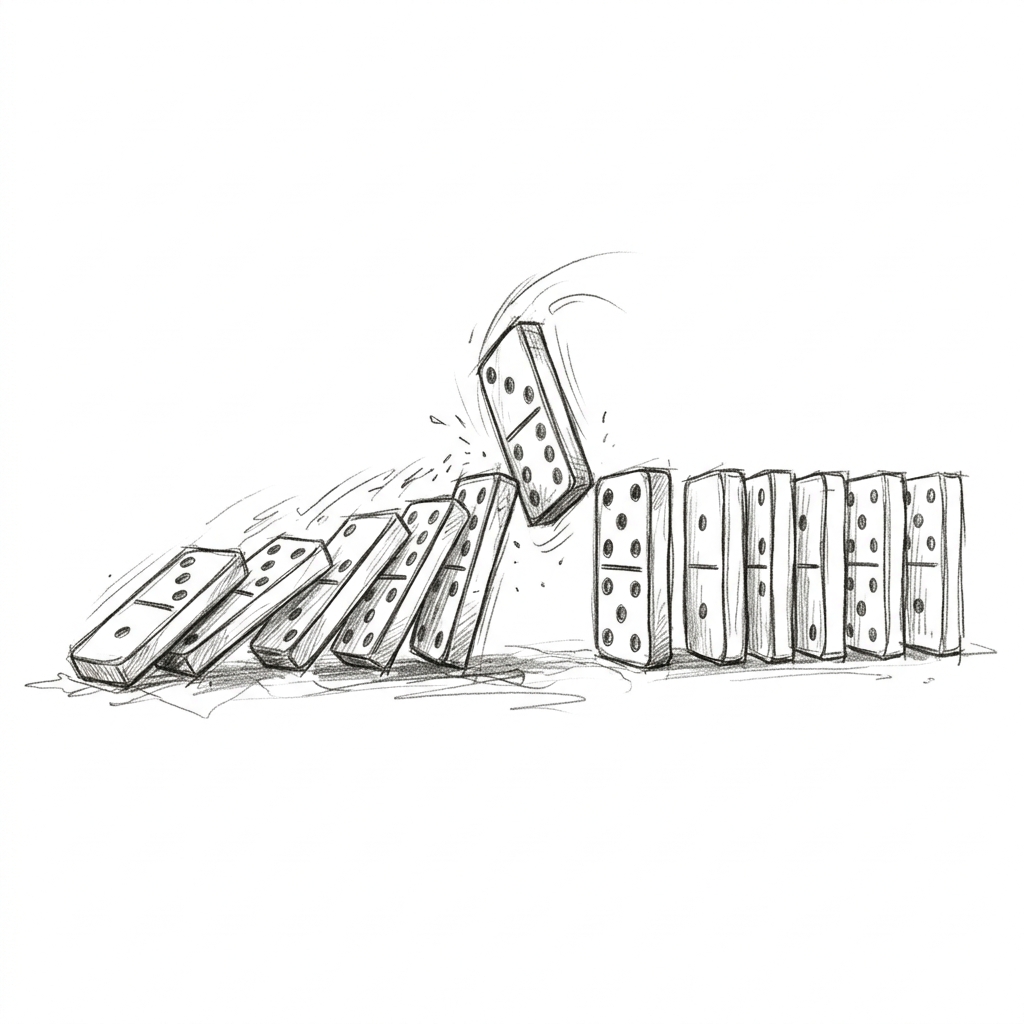
Because Two-Phase Commit locks databases and degrades performance, modern architectures like Microservices use The Saga Pattern.
In a Saga, there is no global transaction. There are no global locks. Instead, a long-running business process is broken down into a series of local, independent transactions. If one of the steps fails, the system runs Compensating Transactions to undo the work of the previous steps.
Eventual Consistency
Imagine booking a vacation. You need a Flight, a Hotel, and a Rental Car. In a Saga, the orchestrator tells the Flight Service to book the flight. The Flight Service books it locally, commits to its own database immediately (releasing its locks), and replies "Success". Then the orchestrator moves to the Hotel, and so on.
What happens if the Car Service fails (e.g. no cars available)? The orchestrator can't "rollback" a database transaction, because the Flight and Hotel were already committed! Instead, the orchestrator must send brand new requests: "Cancel Flight" and "Cancel Hotel".
Saga Orchestrator Simulator
Watch the Orchestrator book the trip sequentially. Click "Force Car to Fail" to see how the system handles a failure using Compensating Transactions.
The Trade-off
The Saga pattern is highly scalable because no locks are held across the network. However, it introduces Eventual Consistency.
For a brief window of time, the system is inconsistent. If the user checked their account after the Flight was booked but before the Car failed, they would see a partially booked vacation. The application code must be written to handle this intermediate state gracefully.